+91 78888 63398  |  +91 181 291 2647

[email protected]

Manufacturer & Exporter · Jalandhar, India

Blog

2026 Top Cricket Helmet Types for Global Buyers

2026 Top Cricket Helmet Types for Global Buyers

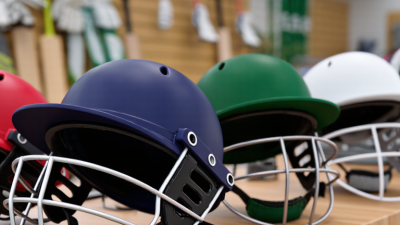
Cricket Helmets in 2026 will reflect varied playing conditions, budgets, and buyer expectations. Global purchasers need more than a stylish shell or familiar brand name. They need protection that fits correctly and performs consistently. Reliable product information matters too. This introduction frames the main helmet types for junior players, club cricketers, professionals, wicketkeepers, and training environments. It considers grille designs, shell materials, ventilation, weight, adjustment systems, and compatibility with local equipment standards. Fit matters greatly. A loose helmet can shift when a batter moves quickly. A tight one can create pressure near the temples during a long innings. Small details become important. The guide takes a practical, evidence-minded approach to purchasing. It compares intended use, impact protection claims, replacement guidance, visibility, comfort, and supplier reliability. Buyers should check current certification details and regional requirements before placing large orders. Standards and availability may differ between countries. That uncertainty deserves attention. Product pages can be incomplete, and respected models may suit one player better than another. No helmet is perfect. A professional-style model may feel heavy for a developing junior. An ultra-light option may offer fewer adjustment features. These recommendations remain useful, but not absolute. They encourage sample fitting, careful inspection, and questions about warranty support before purchase. The goal is safer, more informed selection for cricket communities worldwide in 2026.
Read more »
Amelia By:Amelia - September 18, 2026
What Are Batting Pads Used For?

What Are Batting Pads Used For?

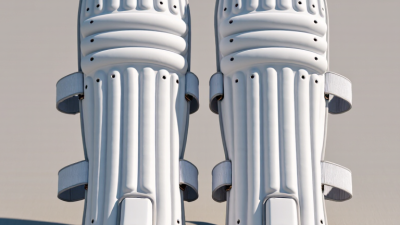
Batting Pads are designed to protect a batter’s lower legs from a hard cricket ball travelling at high speed. They cover the shins, knees, and sometimes the upper leg area, where a direct impact can cause serious bruising or injury. A typical pad uses lightweight foam, reinforced plastic sections, straps, and a shaped knee roll. The design looks simple. It is not. Cricket equipment specialist David Hinchliffe explains, “Protection matters, but movement matters too.” That balance is central to choosing effective Batting Pads. A well-fitted pair should sit firmly below the knee, remain stable while running, and allow the batter to bend comfortably. Poorly fitted pads may twist during a shot, press against the knee, or slow movement between wickets. Small details matter, such as strap tension, pad weight, ventilation, and the width of the side wings. Batting Pads do not make a player invulnerable. They cannot replace sound technique, proper coaching, or careful equipment checks. A cracked shell, loose strap, or compressed foam may reduce protection. This is easy to overlook after a long season. Experienced players often inspect their pads before practice, especially around the knee joint and fastening points. The best choice depends on playing level, batting position, body shape, and personal comfort. Some batters prefer maximum coverage. Others accept slightly less bulk for faster footwork. Neither approach is perfect. The right pad is the one that protects confidently without making the batter forget how naturally they should move.
Read more »
Amelia By:Amelia - September 18, 2026
What Are the Different Types of Cricket Bats?

What Are the Different Types of Cricket Bats?

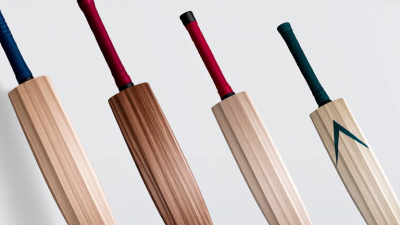
Choosing among Cricket Bats is not simply a matter of appearance. A bat that feels balanced in a shop may feel heavy after fifty deliveries. Players usually compare willow grade, blade profile, handle design, weight, and playing level. These details influence timing, control, durability, and confidence at the crease. Small differences matter. The main categories include English willow bats, Kashmir willow bats, junior bats, and training bats. English willow is usually selected for its responsive feel and strong performance potential. Kashmir willow often provides a more accessible option for developing players and regular practice. Junior bats use shorter handles and lighter blades for safer control. Training bats may support technique work, warm-ups, or softer-ball practice. Each type serves a different purpose. This guide explains how these Cricket Bats differ in construction, performance, price, and suitability. It also considers grain appearance, pressing, toe protection, and required maintenance. A well-made bat still needs careful knocking in and sensible storage. Neglect can cause avoidable damage. There is no perfect bat for every player. Even experienced cricketers sometimes choose a bat that looks impressive but feels awkward in their hands. Personal comfort should remain central. Players should check their height, strength, playing format, and competition rules before buying. Expert advice from a reputable cricket retailer can help, although recommendations are not always flawless. Testing the pickup, grip, and swing remains valuable. The right choice should feel controlled, practical, and reliable during real play.
Read more »
Oliver By:Oliver - September 18, 2026