+91 78888 63398  |  +91 181 291 2647

[email protected]

Manufacturer & Exporter · Jalandhar, India

0%

Wicket Keeping Gloves help a cricket wicketkeeper catch fast deliveries, control the ball, and protect their hands during play. They are built with padded palms and shaped fingers, while the webbing between the thumb and index finger helps form a secure catching pocket. When a bowler sends the ball skimming toward the stumps, that pocket can make a clean take feel more controlled. The gloves also reduce the sting of repeated impacts, though they cannot prevent every injury.

Fit matters. Gloves that are too loose may shift as the keeper moves; gloves that feel too tight can restrict finger movement. A keeper should be able to close their hands comfortably and reach the stumps without fighting the material. Beginners may prefer a forgiving fit, while experienced players often choose gloves based on feel, match conditions, and personal technique. There is no single model that suits everyone. Even good gloves need care: air them out after use, check seams and palms for wear, and replace them when damage affects grip or protection. They are not a shortcut to sound keeping. Practice still counts, and I would not assume a more expensive pair automatically means better catches. The right choice is the one that supports safe, confident movement behind the stumps.
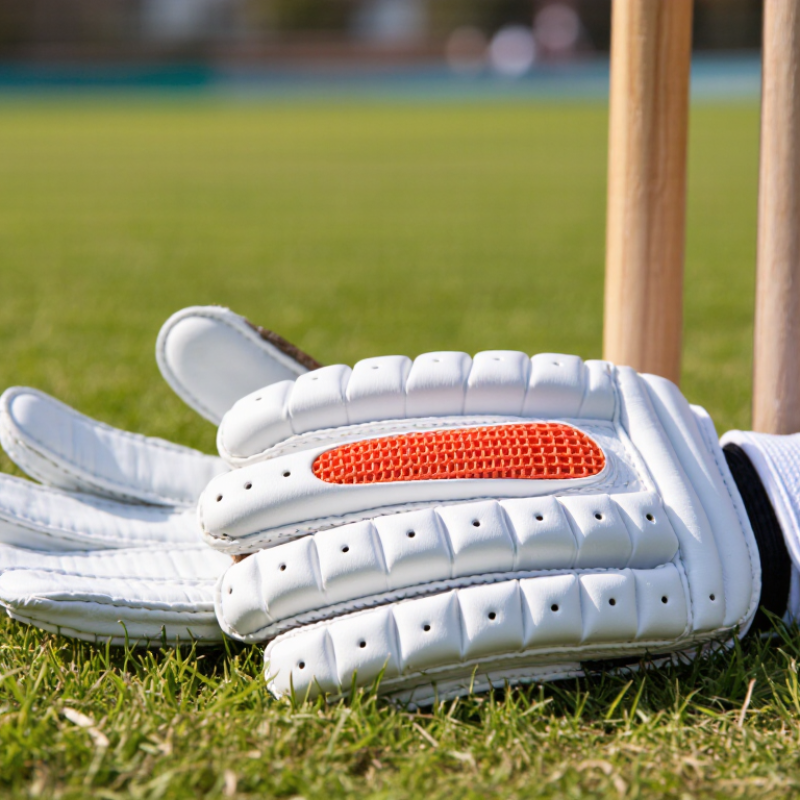
What Are Wicket Keeping Gloves Used For?

What Wicket-Keeping Gloves Are and Who Uses Them

Wicket-keeping gloves are padded gloves worn by the player positioned behind the stumps. Their broad palms help catch fast deliveries, while padding softens repeated impacts on the fingers. The gloves also have webbing between the thumb and index finger, forming a pocket for the ball. The Marylebone Cricket Club’s Laws of Cricket set limits on this webbing, so it cannot extend freely beyond the permitted shape. That detail matters: these are specialist catching gloves, not simply oversized batting gloves.

The wicketkeeper is the only player allowed to wear gloves while fielding. Club cricketers, school players, and professionals use them, though fit and padding vary with hand size and playing conditions. A keeper crouching on a damp pitch needs a secure grip; a close-fitting glove can help, but it may feel restrictive at first. There is no perfect pair for every player. The International Cricket Council reported 1,250,307 spectators at the 2023 Men’s Cricket World Cup, a reminder of how visible elite keeping is, but everyday glove choice still depends on comfort and control. A poorly fitted glove can make simple takes awkward.

How the Gloves Protect a Wicket-Keeper’s Hands

A wicket-keeper’s gloves soften the force of a fast, hard cricket ball. Their padded palms spread impact across a wider area, reducing pressure on the fingers and heel of the hand. The cushioning matters most when a keeper takes repeated deliveries during practice or a long match. It helps limit bruising and soreness, though no glove can remove every sting. A sharp edge can still hurt.

The gloves also help shield fingers from scrapes and awkward contact with the ground. Flexible sections let the keeper bend their hands around the ball, while a secure wrist closure helps keep the glove in place. Fit is important: gloves that are too loose may shift on impact, and tight ones can restrict movement. The protection is not automatic. Keepers still need sound catching technique, with relaxed hands that give slightly as the ball arrives. Even then, a difficult catch may jar a finger. Gloves reduce risk; they are not armor. A keeper should check the padding and seams regularly, since worn or flattened areas may offer less support than they appear to.

What Are Wicket Keeping Gloves Used For? - How the Gloves Protect a Wicket-Keeper’s Hands

Glove feature What it does How it helps protect the hands
Padded palm Cushions the ball when it lands in the glove. Helps absorb some of the impact and reduce discomfort, especially when receiving faster deliveries.
Finger padding and finger stalls Cover and cushion the fingers while helping keep them positioned inside the glove. Provide a layer between the fingers and the ball, helping limit bruising and painful impact.
Webbing between thumb and index finger Creates a catching pocket that helps secure the ball. Helps spread the force of a catch across the glove rather than concentrating it on one small area.
Grip surface Provides a textured contact area for handling the ball. Can help reduce slipping, supporting a more controlled catch and lowering the chance of the ball striking the fingers unexpectedly.
Wrist cuff and fastening Helps hold the glove securely around the wrist. Reduces unwanted movement of the glove during catching and gathering the ball.
Flexible construction Allows the keeper to close the hands and move the fingers while wearing the gloves. Balances cushioning with the movement needed to catch, gather, and release the ball.
Overall use Worn by the wicket-keeper to catch and handle deliveries behind the stumps. Helps protect the hands from impact and abrasion, but does not eliminate the risk of injury. Correct fit and safe catching technique remain important.

How Glove Design Supports Catching and Ball Control

What Are Wicket Keeping Gloves Used For?

How Glove Design Supports Catching and Ball Control

Wicket-keeping gloves help a player receive fast deliveries while protecting the hands from repeated impact. Their padded palms soften the sting, while flexible finger sections allow the hands to close around the ball. The joined webbing between the thumb and index finger creates a larger catching surface. That pocket can help secure edges that might otherwise slip through.

Fit matters as much as padding. A glove that is too loose may shift on contact, making it harder to guide the ball cleanly. Tight gloves can restrict finger movement and tire the hands. The palm’s textured surface also supports control, especially when the ball is damp or spinning. Small detail. A keeper still needs soft hands and sound positioning; gloves cannot correct poor technique.

Glove design involves trade-offs. Thick cushioning may feel reassuring, yet it can reduce touch on delicate takes. A pair that feels comfortable indoors may also loosen after several overs, so fit should be checked with the hands slightly bent. Moisture and worn palms can affect grip, too. Drying gloves between sessions helps, but fit and feel should be reassessed over time.

Key Features: Padding, Grip, Fit, and Flexibility

What Are Wicket Keeping Gloves Used For?

Key Features: Padding, Grip, Fit, and Flexibility

Wicket keeping gloves help protect a keeper’s hands while catching and gathering the ball. Their design balances cushioning with control. Padding absorbs some impact, especially when a delivery hits the palm or fingers awkwardly. More padding is not always better. Bulky gloves can make it harder to feel the ball and close the hands quickly. Small details matter.

Grip comes from the glove’s textured palm, which helps reduce slipping when the ball is damp or moving quickly. Fit matters just as much: a glove should sit securely without pinching the fingers or leaving excess space. A loose fit can affect control. Flexibility lets the fingers bend naturally for catching, scooping, and making quick adjustments. There is a trade-off, though; a glove that feels comfortable during practice may still feel restrictive after a long spell, so check the fit while moving your hands.

Tips: Try on both gloves and mimic a catch. Check that the fingers bend easily and the palm stays in place. Keepers should also inspect seams and padding regularly; wear can be easy to miss. A perfect fit is personal, and choosing one may take a little trial and error.

When Wicket-Keepers Wear Gloves During a Match

What Are Wicket Keeping Gloves Used For?
When Wicket-Keepers Wear Gloves During a Match

A wicket-keeper wears gloves while taking the position behind the stumps to receive deliveries. They stay on during each ball, whether the keeper stands close to the wicket or several metres back. Gloves cushion impacts, improve grip on a moving ball, and help secure catches. They are not ordinary fielding gloves; Law 27 of the MCC Laws of Cricket sets specific requirements for wicket-keeper gloves.

Tips: Check the fit before play. Fingers should reach the glove ends, and the palm should not bunch when the hands close. MCC Law 5.1.2 specifies that a men’s cricket ball weighs 155.9–163 grams and measures 22.4–22.9 centimetres in circumference. That weight helps explain why catching a fast delivery bare-handed can hurt. Fit matters.

A player should not wear wicket-keeping gloves when fielding in another position. MCC Law 28.1 reserves gloves for the wicket-keeper. In practice, switching roles can feel awkward, and it is easy to focus on the gloves while neglecting footwork. The catch still starts with position.

FAQS

What are wicket-keeping gloves used for?

They help the wicketkeeper catch fast deliveries and protect their hands from repeated impact. They are made for catching, not batting.

Who wears wicket-keeping gloves?

The wicketkeeper wears them while fielding. Club, school, and professional players use them, with designs suited to different hands and conditions.

How do the gloves protect the hands?

Padded palms spread the ball’s impact across a wider area. This can reduce pressure, bruising, and soreness. It cannot remove every sting.

What is the webbing between the thumb and index finger for?

It forms a pocket that creates a larger catching surface. That can help secure an edge that might otherwise slip through.

How should wicket-keeping gloves fit?

They should stay secure while allowing fingers to bend naturally. Loose gloves may shift on impact; tight ones can restrict movement.

Can gloves improve grip on a damp ball?

Textured palms can support control when the ball is damp or spinning. But moisture and worn palms can still make catches harder. A small detail, but a real one.

Do thicker gloves always offer better protection?

Not necessarily. Extra cushioning may feel reassuring, but it can reduce touch during delicate takes. The trade-off is not always obvious.

How should a keeper care for their gloves?

Check the padding and seams for flattened or worn areas. Let the gloves dry between sessions, then reassess their fit and feel. They may loosen over time.

Conclusion

Wicket Keeping Gloves are specialized pieces of cricket equipment worn by the wicket-keeper, the player positioned behind the stumps to receive the ball. They help protect the hands from impact and repeated contact, while their shape and construction support the quick reactions needed to catch or stop deliveries. The gloves are designed to balance cushioning with control, allowing the keeper to handle the ball securely without making hand movement difficult.

Important features include protective padding, a grippy palm surface, a secure fit, and enough flexibility for the fingers to move naturally. Together, these details help a wicket-keeper catch the ball, gather it cleanly, and maintain control during play. Wicket-keepers typically wear their gloves while performing their role behind the stumps, choosing equipment that feels comfortable and allows them to respond confidently throughout a match.


Oliver

Oliver

Oliver is a professional marketing specialist with a strong understanding of the company’s products, services, and market position. Through years of experience in content strategy, customer research, and digital communication, he transforms complex product information into clear, practical, and......