+91 78888 63398  |  +91 181 291 2647

[email protected]

Manufacturer & Exporter · Jalandhar, India

0%

Rugby Tackle Equipment helps players practise one of rugby’s most demanding skills with greater control. A safe tackle requires more than courage. It requires correct body position, timing, communication, and suitable training tools. Equipment can reduce unnecessary impact during drills, although it cannot replace qualified coaching or careful supervision.

Dr. Eanna Falvey, World Rugby’s Chief Medical Officer, has said, “Player welfare must remain at the heart of rugby.” That principle should guide every equipment choice. Tackle bags, shields, pads, dummies, tackle suits, and resistance systems serve different purposes. A tackle bag can absorb repeated contact during technique practice. A tackle shield gives coaches better control over angle and height. A tackle dummy helps players rehearse footwork without a live opponent. Tackle suits add realistic movement, but they may restrict vision or balance.

Details matter. Check handles for loose stitching. Inspect foam for hard, compressed areas. Keep training surfaces clear and dry. Replace damaged equipment promptly. Small faults can become serious distractions.

Yet equipment is not magic. Some products look impressive but offer little value for a team’s actual training level. Beginners may need simple, stable tools. Advanced players may require varied heights, movement, and resistance. Even experienced coaches can overuse contact drills. That deserves reflection.

This guide explains what Rugby Tackle Equipment includes, how each type works, and where it fits within responsible training. It also considers comfort, durability, sizing, maintenance, and practical safety limits.
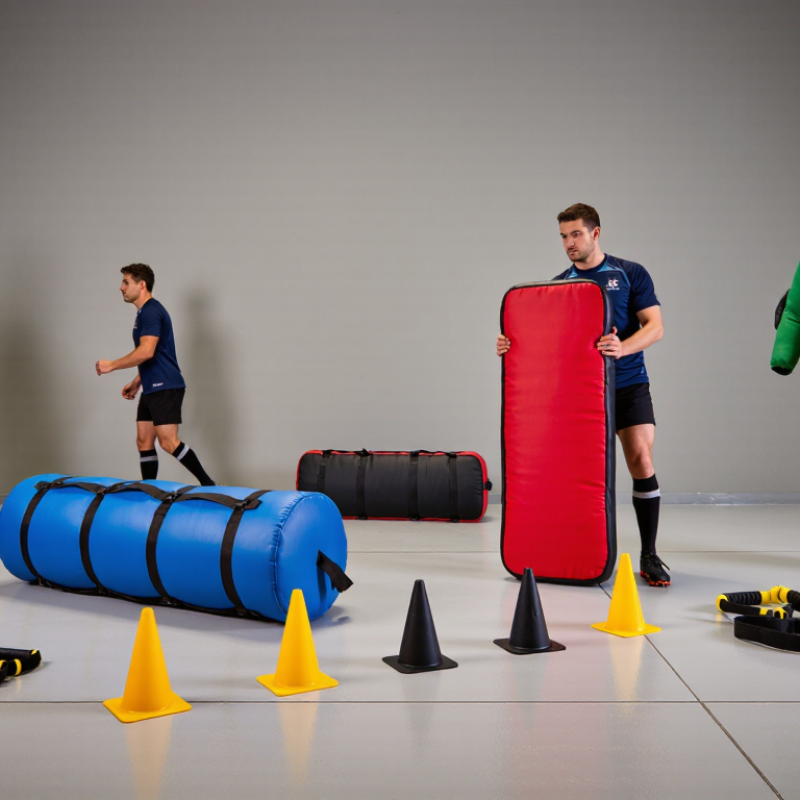
What Is Rugby Tackle Equipment and What Types Are Available?

Definition and Purpose of Rugby Tackle Equipment

Rugby tackle equipment is training gear designed to practise tackling without relying on constant player-to-player contact. It includes tackle bags, hit shields, tackle dummies, and padded body suits. Each item gives players a clear, controlled target. The purpose is not simply to build force. It is to improve body position, foot placement, timing, grip, and safe landing habits.

A tackle bag can represent a moving opponent during entry drills. A coach may hold it at waist height while the player approaches with short, balanced steps. Hit shields protect the holder during repeated shoulder-contact practice. Tackle dummies support low-tackle drills, while padded suits help players recognise correct contact angles. These tools also allow beginners to repeat movements slowly before facing live opposition. That progression matters.

Safety still depends on coaching quality. Equipment should be checked for torn covers, loose handles, flattened foam, and exposed hard parts. A damaged bag can change impact behaviour. Players need suitable space, clear instructions, and gradual workloads. Protective gear cannot correct poor technique. No drill is perfect. Some sessions may overemphasise hitting and underteach decision-making. Coaches should review whether players are lowering safely, using their arms, and protecting their heads. The best equipment supports learning; it does not replace judgement, communication, or responsible supervision.

Core Components of Rugby Tackle Gear

Core Components of Rugby Tackle Gear

Rugby tackle gear combines player protection with controlled training equipment. A mouthguard helps reduce dental injuries during contact. It should fit securely and allow clear breathing. Replace it when it becomes damaged or loose.

Headgear provides light impact protection around the ears and scalp. It does not prevent concussion, so players still need proper medical assessment after a head impact. Shoulder pads add thin foam protection across the shoulders, chest, and upper back. Excessive padding can restrict movement, which is a common mistake.

Training equipment has a different purpose. A tackle bag absorbs contact during drills and helps players practise body position. A hit shield gives coaches a movable target for shoulder and tackling exercises. Some teams also use a low tackle pad for safer technique practice. Inspect stitching, handles, straps, and foam before every session. I have seen worn bags change shape and create awkward contact angles. That detail matters. Clean equipment, dry it fully, and store it away from direct heat. Coaches should match each item to the player’s age, skill, and drill intensity. Protective equipment should follow current governing-body requirements and never replace safe tackling technique.

Types of Rugby Tackle Equipment by Training Need

What Is Rugby Tackle Equipment and What Types Are Available?

Types of Rugby Tackle Equipment by Training Need

Rugby tackle equipment includes padded tools that develop contact technique, body position, and confidence. The right item depends on the training goal, player age, and coaching level.

For technique drills, a tackle bag or low tackle dummy gives players a clear target. Coaches can observe head placement, shoulder contact, leg drive, and safe falling habits. A smaller bag helps beginners control their speed and footwork. Keep contact controlled. For repeated impact practice, a larger tackle bag absorbs force without requiring a live opponent. It supports conditioning drills, but excessive repetition may encourage careless technique.

Hit shields suit front-on contact drills and short passing exercises. Their compact shape lets players practise entry angles and shoulder connection. A tackle suit is more useful when players need realistic movement and controlled resistance. It can support advanced sessions involving tracking, wrapping, and defensive communication. These tools should not replace qualified supervision or proper warm-ups.

A common coaching mistake is choosing equipment by size alone. Bigger padding can hide poor body position. In practical sessions, coaches should inspect handles, seams, straps, and foam before use. Check fit carefully. Replace damaged equipment promptly. Training needs also change over time. A developing player may need a soft, stable target, while an experienced player may need movement and decision-making pressure. That distinction is easy to overlook during busy sessions.

How to Choose Suitable Tackle Equipment

What Is Rugby Tackle Equipment and What Types Are Available?

Rugby tackle equipment supports safer, more controlled training. Common options include tackle bags, contact shields, tackle dummies, and grappling belts. Each item serves a different drill. Bags absorb impact during repeated low tackles. Shields help coaches teach body position and shoulder placement. Dummies allow players to practise approach angles without another athlete taking full contact. Choose equipment based on the player’s age, size, ability, and training purpose.

A suitable tackle bag should match the player’s strength and contact level. A young player needs a lighter, softer target with secure handles. Experienced athletes may use denser equipment for stronger resistance. Check stitching, straps, foam recovery, and surface damage before every session. Wet or damaged padding can change impact behaviour. That detail is easy to overlook. Equipment should also fit the available space. A crowded pitch increases collision risks, even during basic drills. Follow recognised coaching guidance and the maker’s care instructions. Local rugby authorities may provide additional safety recommendations.

Tips: Start with controlled movement, then increase speed gradually. Keep heads away from unsafe contact positions. Use a qualified coach to demonstrate technique. Stop the drill when a player loses balance or feels pain. Review the setup after each session. It may seem excessive, but rushed preparation causes avoidable mistakes. No item replaces supervision, clear communication, or proper recovery time.

Safety Standards and Proper Equipment Maintenance

What Is Rugby Tackle Equipment and What Types Are Available?

Rugby tackle equipment includes padded shirts, shoulder protectors, headguards, mouthguards, and tackle bags. Safety starts with correct fit, not maximum padding. Equipment should meet the current standards of the relevant rugby governing body. Certification labels must remain readable. A headguard that shifts during contact offers limited protection. A mouthguard should stay secure while speaking and breathing. Tight straps can restrict movement, so fit should be checked in training.

During club sessions, I inspect seams, foam, straps, and fasteners before every use. Look for compressed padding, torn stitching, cracks, or exposed materials. Small damage can become serious after repeated tackles. Clean personal equipment according to its care instructions, then air-dry it completely. Do not seal damp padding inside a kit bag. Shared tackle bags need regular cleaning, especially after outdoor sessions. That step is often missed.

A reliable maintenance routine also includes written inspection records. Note purchase dates, heavy impacts, repairs, and replacement decisions. Never cut, reshape, or modify protective equipment. Follow the manufacturer’s instructions and current competition regulations. Replace equipment after severe impact, even when damage is not obvious. Foam can harden with age and lose its cushioning effect. Standards may change between seasons, so review them regularly. I sometimes rush this check before training. That is a weakness worth correcting. A coach or qualified equipment professional can confirm fit, condition, and appropriate use.

FAQS

What is rugby tackle equipment used for?

It helps players practise tackling with less player-to-player contact. Players develop body position, foot placement, timing, grip, and safer landing habits. It supports learning. It does not replace coaching.

What types of tackle equipment are commonly available?

Common options include tackle bags, contact shields, tackle dummies, padded suits, and grappling belts. Each item supports different drills. Bags absorb repeated impacts. Dummies provide a stable target for approach practice.

How does a tackle bag support training?

A coach can hold the bag at waist height during entry drills. The player approaches with short, balanced steps. The bag can represent a moving opponent. However, it cannot copy every match situation.

How should equipment match a player’s needs?

Choose equipment according to age, size, ability, strength, and training purpose. Young players generally need lighter, softer targets with secure handles. Experienced players may use denser equipment. The choice can still be imperfect.

What should be checked before using tackle equipment?

Inspect covers, stitching, handles, straps, foam recovery, and exposed hard areas. Look for tears or flattened padding. Wet equipment may behave differently during contact. This detail is easy to miss.

How can coaches make tackle drills safer?

Use clear instructions, suitable space, and gradual workloads. Begin with controlled movement before increasing speed. Keep heads away from unsafe contact positions. Stop immediately if balance is lost or pain appears.

Can protective equipment correct poor tackling technique?

No. Protective gear cannot fix poor body position or unsafe head placement. Coaches should watch lowering, arm use, foot placement, and landing control. Communication matters too. Equipment is only one part.

Why should training sessions be reviewed afterward?

Review whether players focused too much on hitting and too little on decisions. Check the setup, workload, and contact angles. A crowded pitch may increase collision risks. Rushed preparation causes avoidable mistakes.

Conclusion

Rugby Tackle Equipment is designed to help players develop safe, effective tackling skills while reducing unnecessary impact during practice. It may include tackle bags, shields, dummies, hit-and-hold equipment, and other training aids that support different drills. These tools allow athletes to improve body position, timing, balance, tackling technique, and decision-making in a controlled environment. Each type serves a different training need, from beginner contact practice to advanced defensive movement and repeated team drills.

Choosing suitable equipment requires considering the players’ age, experience, training goals, equipment size, firmness, portability, and available practice space. Coaches should select gear that matches the intensity of the session and provides reliable handling without creating avoidable risks. Safety also depends on proper supervision, clear instructions, regular inspection, and correct storage. Damaged, loose, or excessively worn equipment should be repaired or replaced promptly. With thoughtful selection and maintenance, Rugby Tackle Equipment can support progressive training, encourage confidence, and contribute to a safer and more organized rugby environment.


Ethan

Ethan

Ethan is a professional marketing specialist dedicated to helping customers better understand innovative products, practical solutions, and the value they can bring to everyday business and life. With a strong understanding of the company’s product portfolio, market trends, customer needs, and......