+91 78888 63398  |  +91 181 291 2647

[email protected]

Manufacturer & Exporter · Jalandhar, India

0%

Choosing the best Baseball Gloves for global buyers requires more than comparing prices and brand names. Buyers must examine leather quality, hand size, position, web design, and expected playing conditions. A catcher’s mitt cannot serve a shortstop effectively. A youth glove may feel comfortable but lack the durability needed for daily training.

Shigeaki Aso, Wilson’s renowned Master Glove Craftsman, has said, “A glove is an extension of the player’s hand.” This principle remains important when evaluating suppliers and product ranges. Full-grain steerhide often offers strong durability, while softer leather can reduce break-in time. Buyers should also inspect palm padding, finger stalls, stitching, lining, and heel structure. Small details matter.

Climate creates another practical concern. Gloves shipped to humid regions may need careful packaging and moisture-resistant storage guidance. In colder markets, stiff leather can require additional conditioning before use. Product descriptions should clearly state measurements, leather type, intended position, and recommended age range. Reliable suppliers should provide consistent specifications, product photographs, and responsive after-sales support.

No single glove fits every market. That is easy to overlook. Even experienced buyers can misjudge comfort from photographs alone. Sample testing remains valuable, especially for large orders. A glove may look excellent on a catalog page but feel too narrow, heavy, or rigid in a player’s hand. This guide compares leading options through practical performance, construction quality, supplier reliability, and long-term value. The goal is not to promote one universal winner, but to help global buyers make more confident and realistic decisions.
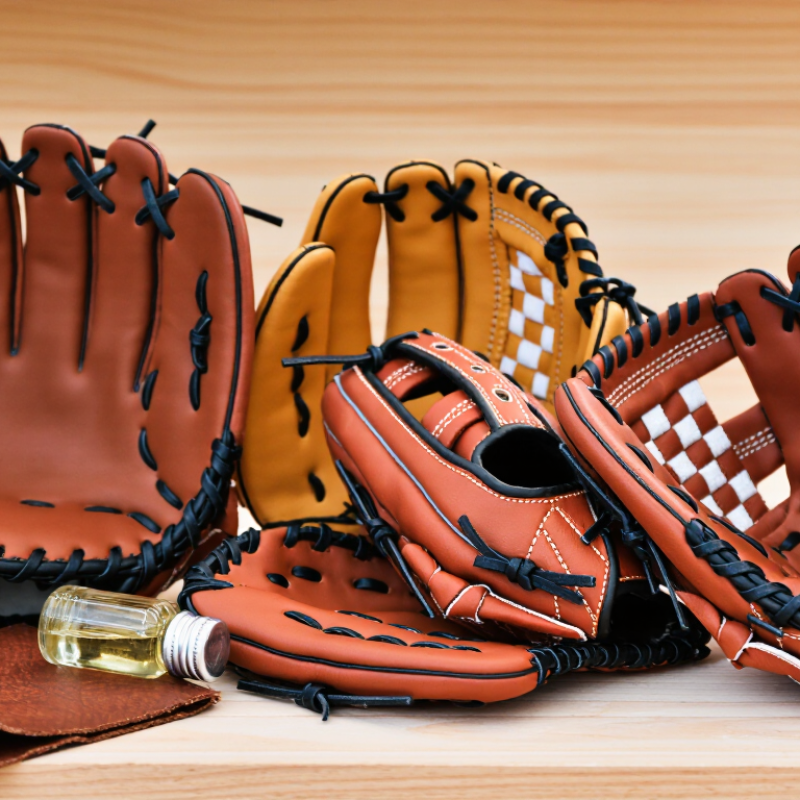
China Best Baseball Gloves for Global Buyers?

What Makes China a Leading Source of Baseball Gloves?

China has become a leading source of baseball gloves because its manufacturing network supports materials, stitching, molding, and packaging in one supply chain. Experienced factories can produce youth, training, and professional-style gloves with different palm shapes and web designs. This flexibility helps global buyers test specific markets without ordering one fixed model.

In practical sourcing, material selection matters greatly. Full-grain leather offers a stronger feel, while synthetic materials can reduce weight and cost. Reliable suppliers usually provide samples, measurement charts, leather details, and production photos before mass manufacturing. Many also use inspection steps for stitching strength, pocket depth, glove shape, and odor control. However, a low price does not always mean good value. I have seen attractive samples fail because production teams changed materials without clear approval. Written specifications and pre-shipment checks remain essential.

Tips: Request two samples from different batches. Bend the glove repeatedly and inspect the laces, palm, and finger stalls. Ask for realistic production timelines, not optimistic promises. Check whether the supplier explains defects honestly. That answer matters. A dependable factory should accept reasonable corrections and keep records for future orders. Still, buyers should review their own requirements carefully; unclear sizing or soft quality standards can create avoidable disputes.

China is a leading global source for sports gloves because of its large manufacturing base, integrated leather and synthetic-material supply chains, flexible OEM/ODM production, and efficient export logistics. The chart compares 2023 export values for HS 420321, “gloves, mittens and mitts for sports, of leather or composition leather.” This customs category includes baseball gloves as well as other sports gloves, so it should not be interpreted as baseball-glove-only trade.

Source: UN Comtrade Database, 2023 international trade data, HS 420321; values rounded to the nearest US$0.1 billion.

Which Types of Baseball Gloves Are Made in China?

China Best Baseball Gloves for Global Buyers?

Which Types of Baseball Gloves Are Made in China?

Chinese manufacturers produce several common baseball glove types for international buyers. Infield gloves are usually compact, with shallow pockets for quick transfers. Outfield gloves are longer and deeper, helping players secure high, fast-moving balls. Catcher’s mitts use heavy padding and a closed shape for repeated impact. First baseman’s mitts have longer finger stalls and a wide catching surface.

Pitcher’s gloves often include closed web designs, which help conceal the ball during delivery. Youth gloves are lighter, softer, and easier for smaller hands to control. Some factories also make softball gloves with deeper pockets and larger patterns. Materials range from full-grain leather to synthetic leather and mixed constructions. Leather offers better structure, but it may require more breaking in.

From my experience reviewing glove specifications, the pattern matters as much as the material. Buyers should check palm thickness, web strength, wrist adjustment, stitching density, and edge finishing. Sample testing is essential. A glove can look excellent in photos yet feel stiff or unbalanced on the field. Production consistency also needs attention, especially when ordering different sizes. No factory gets every detail right. A careful buyer should compare samples, request measurement records, and test closure movement before approving larger production.

How to Evaluate Glove Materials, Craftsmanship, and Performance

When global buyers evaluate baseball gloves from China, material choice should come before appearance. Full-grain steerhide offers strong structure and a gradual break-in. Kip leather feels lighter and more responsive, but it often costs more. Synthetic materials can reduce weight and price. However, they may not develop the same pocket feel.

Touch the palm and finger stalls. The leather should feel dense, flexible, and consistent. Check the lining for loose threads and rough seams. Good craftsmanship appears in even stitching, clean edge binding, and firm lacing. Pull each lace gently. It should resist without cutting into the leather. A crooked web can change the glove’s balance.

Performance needs practical testing. Catch firm throws repeatedly. Watch for pocket collapse, wrist discomfort, or twisting fingers. The glove should close naturally, not force the hand into one position. Measure the length, web shape, and hand opening against the player’s needs. Ask for material details, production samples, inspection records, and care instructions. Documents help, but they cannot replace handling the glove. No sample is perfect. I still question very soft leather, because quick comfort can hide weak structure. Test after moisture exposure, too, since storage conditions can affect stiffness and shape.

How Global Buyers Can Select Reliable Chinese Manufacturers

China’s baseball glove supply chain offers flexible materials, skilled stitching, and competitive production costs. However, reliable sourcing requires more than reviewing product photos. The SFIA 2024 Topline Participation Report recorded 15.6 million U.S. baseball participants in 2023, a 4.3% increase year over year. That growth raises demand for consistent gloves across youth, amateur, and professional training markets.

Global buyers should request factory evidence before discussing volume. Ask for recent production records, material specifications, inspection procedures, and export experience. ISO’s 2023 Survey reported more than one million ISO 9001 certificates worldwide, but certification alone does not prove glove quality. Check whether the certificate matches the factory’s legal entity and production scope. Inspect leather thickness, pocket shape, lace strength, palm padding, and stitching density. A physical sample matters. A perfect sample can mislead if process controls are weak.

Tips

Use a third-party factory audit before placing a large order. Request two samples from separate production batches. Compare weight, dimensions, flexibility, and odor. Define acceptable defect limits in writing. Confirm carton testing, moisture protection, labeling, lead time, and inspection rights. Do not rely only on the lowest quotation; unusually low pricing may indicate thinner materials or unstable subcontracting. I have seen buyers overlook packaging damage while focusing on glove appearance. That mistake becomes expensive during long-distance shipping. Record every agreed specification in a signed purchase document.

What Import, Quality, and Customization Factors Should Buyers Check?

China Best Baseball Gloves for Global Buyers?

A reliable glove purchase starts before sampling. The SFIA 2024 Topline Participation Report recorded 16.7 million U.S. baseball participants in 2023. That demand rewards suppliers who control fit and supply continuity. Grand View Research projects continued growth in the global baseball equipment market through 2030. Importers should verify HS classification, duty rates, origin rules, and commercial documents. Customs advice matters because leather composition can affect classification. Request a material specification sheet, invoice, packing list, and inspection record. Do not trust a low quotation alone. It may hide weak lining or unstable sizing.

For quality, request one game-size sample and one production sample. Check palm thickness, finger stalls, web tension, lace strength, and edge finishing. Measure every glove against an agreed tolerance. A three-millimeter variation can affect young players noticeably. Test odor, moisture, color transfer, and repeated flexing after shipment. Photographs miss stiff leather and uneven padding. That inspection method is imperfect. Independent testing is wiser. For customization, approve a physical sample before bulk production. Confirm pocket depth, handedness, logo placement, thread color, packaging, MOQ, lead time, and replacement terms. Record every change in a signed specification. A beautiful prototype can still fail in mass production. Reserve time for a second sample. Rushed approval often costs more.

FAQS

Why do many buyers source baseball gloves from China?

Manufacturing networks often combine materials, stitching, molding, and packaging. This can simplify purchasing. Factories also offer many sizes, patterns, and materials. However, supply flexibility does not guarantee consistent quality.

Which baseball glove types are commonly produced there?

Common options include infield, outfield, catcher’s, first baseman’s, pitcher’s, youth, and softball gloves. Infield gloves usually have shallow pockets. Outfield gloves often use longer fingers and deeper pockets. Youth gloves are lighter and easier to close.

Which materials can buyers choose?

Full-grain leather provides stronger structure and a more substantial feel. Synthetic materials can reduce weight and cost. Mixed materials may balance flexibility and durability. Material names alone can mislead, so request written specifications.

What should buyers check in a glove sample?

Inspect palm thickness, finger stalls, web tension, laces, and edge finishing. Bend the glove repeatedly. Check whether closure feels smooth and balanced. Photos cannot show stiffness, odor, or uneven padding.

How can buyers reduce production mistakes?

Approve a physical sample before bulk manufacturing. Record measurements, materials, colors, and construction details. Use signed specifications for every change. A prototype may look perfect. Mass production can still disappoint.

Should buyers request samples from different production batches?

Yes, requesting two samples from separate batches can reveal consistency problems. Compare shape, stitching density, pocket depth, and closure movement. Small differences may matter to younger players. I would not rely on one sample alone.

What import documents and details should buyers verify?

Check product classification, duty rates, origin rules, invoices, and packing lists. Request material specifications and inspection records. Leather composition may affect classification. Customs requirements vary, so professional advice remains sensible.

What customization details require written approval?

Confirm handedness, pocket depth, web design, thread color, packaging, order quantity, and delivery timing. Also define replacement terms and acceptable tolerances. A three-millimeter size difference can affect fit. Unclear requirements create avoidable disputes.

How should buyers evaluate supplier reliability?

Ask for realistic timelines, production photos, measurement records, and defect explanations. Reliable suppliers usually accept reasonable corrections. They should also keep records for later orders. A low quotation may hide weak lining or unstable sizing.

What common mistake should buyers avoid?

Do not approve mass production too quickly. Reserve time for another sample and pre-shipment inspection. Check odor, moisture, color transfer, and repeated flexing. My own judgment could still miss something, so independent inspection is safer.

Conclusion

China has become a leading source of Baseball Gloves because of its mature manufacturing infrastructure, skilled labor, flexible production capacity, and ability to support both large orders and customized designs. Chinese factories can produce a wide range of gloves, including infield, outfield, catcher’s mitts, first-base mitts, youth models, training gloves, and recreational options. Buyers should evaluate leather or synthetic materials, stitching strength, padding, pocket structure, shape consistency, comfort, durability, and performance under regular use.

For global buyers, selecting a reliable Chinese manufacturer requires careful review of production experience, sample quality, communication, quality-control procedures, and capacity. Import planning should include product specifications, packaging, labeling, shipping terms, lead times, payment arrangements, and destination-market requirements. Buyers should also confirm customization options such as colors, sizing, logos, web styles, materials, and packaging while checking minimum order quantities and sample approval procedures. A clear written agreement and consistent pre-shipment inspection can help reduce quality risks and support a stable long-term supply relationship.


Amelia

Amelia

Amelia is a professional marketing specialist dedicated to helping customers better understand the value, quality, and practical applications of our company’s products. With a strong background in market research, content strategy, and customer communication, she combines industry insight with a......