+91 78888 63398  |  +91 181 291 2647

[email protected]

Manufacturer & Exporter · Jalandhar, India

0%

Choosing the right Focus Pads can make a boxing session feel smoother, safer, and more useful. The best pair is not always the most expensive or the one used by a favorite fighter. It should suit the trainer’s hands, the boxer’s level, and the drills planned for the session. Fit matters. So does feedback.

Start with how the pads sit in the holder’s palms. A secure wrist strap and a comfortable grip can help reduce shifting during repeated combinations. Check the padding, stitching, and target surface for even construction. Then consider shape and size: compact pads may suit quick, precise drills, while larger targets can feel easier for beginners to hit. Neither choice is perfect for everyone. Hand size, coaching style, and training pace all change the answer.

Material and weight matter, too. Leather and synthetic covers can differ in feel, care, and price, so check the maker’s specifications rather than assuming one is automatically better. If possible, try a few controlled punches before buying. Notice whether the pads stay stable and whether impact feels manageable for both people. A sharp pop can be satisfying, but sound alone does not prove quality. It is easy to overlook that.

This guide explains the main features to compare, from fit and padding to durability and budget. It also points out trade-offs, because a pad that works well for one coach may feel awkward to another. Choose for consistent training, not appearance alone.
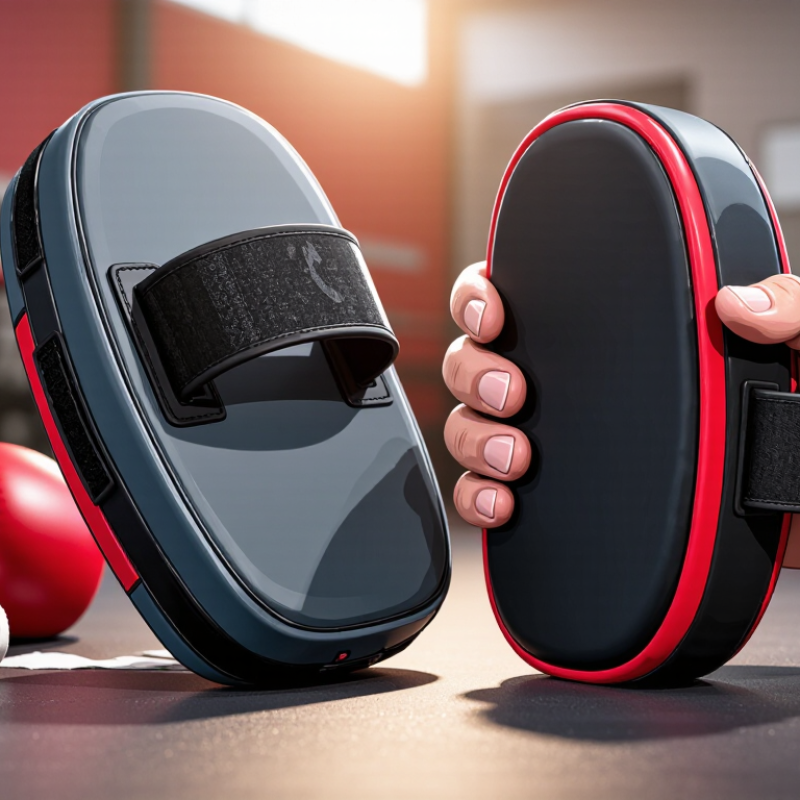
How to Choose the Best Focus Pads for Boxing Training?

Identify Your Boxing Training Goals

Choose focus pads to match the skill you want to improve, not just the hardest workout.

For cleaner punches and defensive reactions, use compact, clearly presented targets that let your partner call combinations and change angles. For speed, lighter pads can make quick transitions easier. For power practice, a larger, well-padded striking surface may feel more comfortable for the holder. Fit matters: check that the straps stay secure over training gloves and that the pad does not twist when struck. Small detail. A loose wrist can distract both partners.

Set a measurable goal for each session, such as landing a jab-cross accurately for three rounds or responding to a visual cue without dropping your guard.

The World Health Organization’s 2020 physical activity guidelines recommend adults get 150–300 minutes of moderate activity, or 75–150 minutes of vigorous activity, weekly. That is general activity guidance, not a boxing-pad prescription, but it can help place pad work within a broader routine.

Avoid treating every round as a power test; fatigue can blur technique. A common misstep is choosing pads before deciding what the session should train. Reassess after a few rounds: if the holder struggles to present targets safely, change the drill or pad style.

Compare Focus Pad Types, Shapes, and Sizes

Focus pads differ in padding, hand coverage, and target area. Compact mitts suit quick jabs and straight punches, while thicker, larger pads absorb harder shots more comfortably. Flat paddles create a crisp, visible target and can help a coach cue timing. They offer less hand coverage, though, so accurate placement matters. Small targets demand control.

Shape changes how a punch lands. Rounded or slightly curved pads give the knuckles a natural contact surface and help keep punches centered. Flat pads are easy to present for combinations, but a poorly angled pad can twist the holder’s wrist. Oval pads offer a middle ground. There is no perfect shape for every session.

Size should match both the boxer’s accuracy and the holder’s hands. Beginners may benefit from a broad target; experienced boxers often prefer a smaller one for precision drills. Check that the strap holds the pad securely and leaves fingers able to close comfortably. Try a few light punches before increasing speed or power. A pad that feels manageable at rest may shift during fast combinations, so reassess the fit after a short round.

Evaluate Materials, Padding, and Durability

How to Choose the Best Focus Pads for Boxing Training?

Materials and padding shape how focus pads feel after hundreds of sharp strikes. Leather or durable synthetic covers should resist abrasion, while tight stitching helps prevent split seams. For padding, look for layered foam that absorbs impact without feeling spongy or bottoming out. ASTM International’s D3574 standard includes an 80,000-cycle pounding-fatigue test for flexible foam, measuring changes such as thickness and firmness. That gives buyers a useful durability benchmark, although it does not certify a finished boxing pad.

Try pressing the center and edges: the pad should compress, then recover without a lasting dent. During a session, watch for foam that shifts, hard spots, or a handle that twists under impact. I’ve found comfort can be misleading; a very soft pad may feel pleasant at first but offer less consistent feedback. Check the wrist support and grip too. A secure handle makes repeated catching easier, especially when your hands are sweaty.

Tips: Ask the seller for foam-fatigue or compression-test results, and compare the test method—not just the headline number. Inspect seams and handles regularly. Replace pads when the padding stays compressed or the cover starts separating. Some wear is easy to miss.

Check Fit, Grip, and Training Safety

Fit matters. Focus pads should sit securely in the holder’s hands without forcing the wrists into an awkward angle. Try them with the straps adjusted, then open and close your hands. The pads should feel stable, not painfully tight. Check that the padding covers the striking area and that the seams do not press into your fingers. If possible, test them with light punches before a full session.

Grip affects control. Look for a handle that stays steady when your palms get sweaty, while still allowing small adjustments between combinations. A slick surface can make a pad twist on impact. Overly bulky handles may also tire smaller hands. These details seem minor in a shop, but they matter after several rounds. Fit is personal, so a friend’s comfortable pair may not suit you.

Training safety depends on both partners. The holder should keep a balanced stance and present the pads at a manageable distance. Start with controlled punches and check that the pads remain secure. Stop if a strap slips, a wrist feels strained, or either person loses control. More force is not always better. I might still miss a subtle pressure point during a quick fitting, so test the pads again after warming up. Replace or repair gear when padding is compressed or stitching begins to separate.

Match Pad Features to Your Skill Level and Budget

Choose focus pads by matching their shape and response to your current work. Beginners usually benefit from broad, curved targets with clear hand placement and a secure wrist strap. They make basic jab-cross drills easier to follow. Check that the padding does not bottom out when struck firmly. For developing boxers, lighter, slimmer pads allow faster combinations and sharper angle changes, but demand better timing from the holder. Advanced pairs may prefer compact targets with a firm, consistent feel. Fit matters more. A loose strap can twist when a punch lands.

Budget should follow training frequency, not appearance. If you train once a week, a durable mid-range pair may be more sensible than premium leather. For daily sessions, reinforced stitching and replaceable wrist closures can justify spending more. ACSM’s 2024 Worldwide Survey of Fitness Trends ranked free-weight strength training ninth among its top trends; it is not a boxing-pad study, but it reflects continued interest in practical, skill-building exercise. Treat that as context, not proof that costly equipment improves performance. Not flashy. Compare pad weight in your hands, inspect seams, and ask a coach to test the target’s rebound. One detail is easy to miss: very firm pads can tire a new holder’s wrists. A cheaper pair may work well, though its padding can soften sooner than expected.

How to Choose the Best Focus Pads for Boxing Training? — Match Pad Features to Your Skill Level and Budget

Focus Pad Type Best For Useful Features Typical Size and Feel Typical Pair Price (USD) What to Check Before Buying
Basic flat mitts Beginners, light drills, and occasional home practice Simple target surface, basic padding, and straightforward hand entry Often larger and less curved; can be easier for a new trainer to present as a target $20–$40 Check that the padding does not bottom out easily, seams are secure, and the wrist strap holds the mitt in place.
Standard curved focus mitts Beginner to intermediate training and general boxing combinations Curved target helps guide punches; padded palm and finger protection are common Medium-sized target with a more natural receiving angle than a flat mitt $35–$80 Look for a comfortable hand compartment, adequate wrist support, and padding suited to the power of the sessions.
Compact precision mitts Experienced boxers working on accuracy, timing, and defensive reactions Smaller target encourages precise punches and faster target changes Light and maneuverable, but provides less room for off-target punches $45–$100 Choose these when both coach and boxer have good control; avoid using a very small target as the only pad for beginners.
Large target mitts Newer trainees, mixed-skill classes, and drills that need a forgiving target Broader striking area can make combinations easier to follow and receive Larger and generally less precise than compact mitts; may feel heavier during long rounds $30–$75 Check the pair’s weight and balance so the coach can move and hold the pads comfortably.
Curved mitts with finger and wrist support Regular training, intermediate to advanced work, and longer sessions More structured hand compartment, secure wrist closure, and layered impact padding Varies by model; a secure fit can improve control without requiring a bulky pad $60–$130 Try them on if possible. The mitt should feel secure without pinching, restricting circulation, or forcing the hand into an awkward position.
Premium lightweight training mitts Coaches and frequent users who prioritize comfort and quick pad movement Often designed with attention to balance, durable construction, and impact distribution Typically lighter or more refined in fit, though construction and weight vary by design $90–$160+ Compare fit, stitching, padding, and warranty terms rather than assuming a higher price guarantees a better match.

Buying tip: Prioritize a secure fit, comfortable wrist support, and padding appropriate to your training intensity. Price ranges are approximate retail estimates for a pair and vary by materials, construction, and seller.

FAQS

Which focus pad type suits quick punches?

Compact mitts work well for quick jabs and straight punches. Larger, thicker pads absorb harder shots more comfortably.

Are flat paddles a good choice for combinations?

They provide a clear target and help coaches cue timing. They cover less of the hand, so accurate placement matters. Small targets demand control.

How do pad shapes affect contact?

Rounded or slightly curved pads help keep punches centered. Flat pads suit combinations, but poor angles can twist the holder’s wrist. Oval pads offer a middle ground.

What pad size should beginners choose?

A broad target can help beginners build accuracy. Experienced boxers may prefer smaller pads for precision drills. There is no perfect size for every session.

How should focus pads fit the holder’s hands?

Adjust the straps, then open and close your hands. The pads should feel stable without painful tightness. Check that seams do not press into your fingers.

What should I check before a full training session?

Try a few light punches first. Make sure the strap stays secure and the pad does not shift during combinations. Recheck the fit after a short round.

How can partners keep pad work controlled?

The holder should stay balanced and present pads at a manageable distance. Start with controlled punches. Stop if a strap slips or a wrist feels strained.

When should focus pads be repaired or replaced?

Check for compressed padding or stitching that begins to separate. Replace or repair damaged pads. I might miss a subtle pressure point during fitting, so check again after warming up.

Conclusion

Choosing the right Focus Pads starts with understanding your boxing training goals. Consider whether you need them for basic accuracy, faster combinations, defensive practice, or more advanced drills. Compare different pad shapes and sizes, since each can support a different range of movements and levels of precision. Smaller pads may encourage accuracy, while larger options can provide a broader target for developing combinations.

Next, assess the materials, padding, and overall durability to find pads that can handle regular training while offering comfortable impact absorption. A secure fit, reliable grip, and safe wrist support are also important for both the holder and the boxer. Finally, match the pads to your experience and budget: beginners may prefer comfortable, versatile options, while experienced athletes may prioritize specific features for focused practice. The best choice balances comfort, safety, durability, and training needs.


Oliver

Oliver

Oliver is a professional marketing specialist with a strong understanding of the company’s products, services, and market position. Through years of experience in content strategy, customer research, and digital communication, he transforms complex product information into clear, practical, and......