Choosing Boxing Gloves is not just a matter of picking a color or the newest model. The right pair should match how you train, how often you use it, and how it feels on your hand. A glove that works well on a heavy bag may not provide the comfort or padding you want for sparring. Small differences matter.
This guide to the top types of boxing gloves for 2026 compares bag gloves, training gloves, sparring gloves, and competition styles. It also looks at practical details buyers can check: glove weight, wrist support, closure type, padding, fit, and ease of cleaning. Product labels are not always consistent, so compare the intended use and construction rather than relying on the name alone. Check event requirements before choosing gloves for organized competition.
A useful fit test is simple. Wear your hand wraps, make a fist, and check that your fingers reach the glove’s end without feeling cramped. The wrist should feel supported, not trapped. Too loose is a problem. Too tight can be, too. Material, padding, and stitching affect durability, but care matters as well; gloves need time to dry between sessions. No single type suits every buyer, and even a well-reviewed pair may feel wrong on your hands. This overview helps narrow the options and highlights trade-offs to consider before buying. In the end, comfort is personal. A little trial and error is normal.
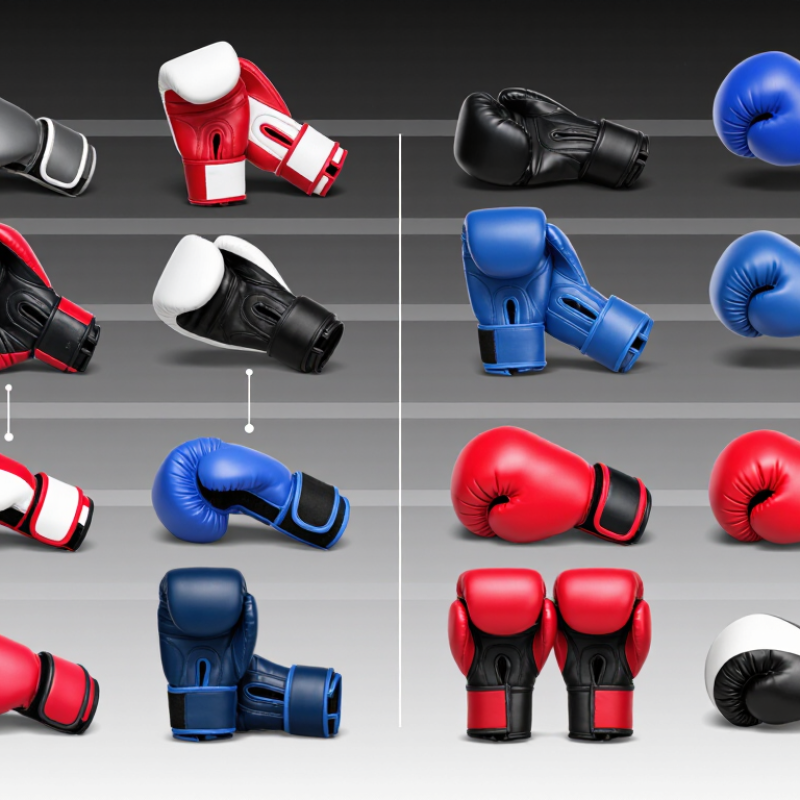
2026 Boxing Glove Types: Training, Sparring, Bag, and Competition
Training gloves need enough padding for repeated drills, yet should let the wrist stay aligned. Many gyms use 12–16-ounce gloves for general training, adjusting for body size and coach guidance. Bag gloves are often lighter, around 10–14 ounces, which can make a heavy bag feel more direct. They are not a substitute for sparring gloves. Fit matters more than a neat number on a label: fingertips should reach the glove end without being cramped.
Sparring gloves commonly weigh 14–16 ounces, but gym policies differ. More padding can soften contact, though it cannot make hard sparring risk-free. Check the fit with hand wraps on; a loose thumb or shifting wrist is a warning sign. Small detail. Competition gloves follow event rules, not personal preference. World Boxing and USA Boxing technical rulebooks specify equipment requirements by competition context; some events use 10- or 12-ounce gloves. Confirm the current rules for the specific division before buying.
For buyers, compare glove weight, closure, thumb position, and intended use—not just the ounce rating. A hook-and-loop cuff is quick to adjust, while lace-up gloves need help securing them. Data and rules clarify the basics, but they cannot predict comfort for every hand. I would not assume one pair suits bag work, partner drills, and bouts equally well; that convenient idea often fails in practice.
Common 8–20 oz Glove Weights and How Buyers Choose
Boxing gloves commonly range from 8 to 20 ounces. The ounce rating refers to glove weight, not hand size. Lighter 8–10 oz gloves are often used for competition, while 12–16 oz pairs are common for bag work and general training. Heavier 16–20 oz gloves may be preferred for sparring, but gym policies and competition rules can differ. Check those requirements before buying.
Tips: Try gloves with hand wraps on. Make a fist. Your fingers should reach the glove’s end without feeling cramped, and the wrist closure should feel secure.
Choose weight based on your main activity, body size, and trainer’s advice—not ounces alone. A heavier glove adds padding, but it can also feel tiring during longer sessions. If possible, test the gloves by making a few fists and light punches against a bag. Notice pressure around the knuckles and whether the wrist shifts. Fit can vary between designs, so a popular weight may still feel wrong for your hands. I’d treat online weight charts as a starting point, not a guarantee.
2026 Top Types of Boxing Gloves for Buyers - Common 8–20 oz Glove Weights and How Buyers Choose
Glove weight is measured in ounces (oz) and refers to the glove’s approximate weight, not a universal hand-size measurement. The best choice depends on the activity, fit, gym requirements, and applicable competition rules.
| Glove type |
Common weights |
Typical use |
How buyers choose |
| Bag gloves |
8–16 oz |
Heavy bags, focus mitts, and other non-sparring drills. |
Choose a comfortable, secure fit and padding suited to the training surface and session. Check whether the gym recommends a particular weight. |
| Training gloves |
12–16 oz |
General boxing workouts, drills, and bag or mitt work; some models are designed for multiple training uses. |
A versatile option for buyers who want one pair for several drills. Confirm that the glove is approved for sparring before using it with a partner. |
| Sparring gloves |
14–20 oz; 16 oz is a common gym standard |
Partner sparring, with padding intended for controlled contact. |
Follow the coach’s or gym’s rules first. Padding design and condition matter as well as weight; heavier gloves are not automatically accepted for sparring. |
| Amateur competition gloves |
Often 10–12 oz, depending on the event and rules |
Sanctioned amateur bouts. |
Do not select by a general weight chart alone. The event’s governing body specifies permitted glove weight and other equipment requirements. |
| Professional fight gloves |
Commonly 8–10 oz, subject to rules |
Professional bouts where approved fight gloves are required. |
The applicable commission or sanctioning organization sets requirements, which can vary by location, bout, and weight class. Verify approval before purchase. |
| Muay Thai gloves |
Typically 12–16 oz for training; gym rules may call for more |
Striking practice that may include punches, kicks, and clinch work. |
Look for a fit and hand position that suit the training style, including clinch drills. Ask the coach about sparring weight and padding expectations. |
| All-purpose boxing gloves |
12–16 oz |
Recreational classes and mixed bag-and-mitt workouts. |
A practical starting point for general fitness boxing. These gloves may not be suitable for partner sparring or official competition unless specifically permitted. |
| Youth boxing gloves |
Often 6–12 oz; sizing and availability vary |
Youth classes and supervised training. |
Prioritize a secure fit, appropriate hand protection, and the coach’s guidance. A child’s age alone does not determine the correct glove weight. |
Buyer checklist: Try gloves on with the hand wraps you plan to use; check finger length, wrist support, and closure fit; and confirm the intended use with your gym or event organizer. Weight ranges are general buying guidance, not a substitute for local competition rules or coaching advice.
Glove Construction: Padding, Materials, Closures, and Fit
Padding shapes both protection and feel. A well-built glove uses layered foam to spread impact across the knuckles, rather than letting one spot take the load. Denser padding can feel firm, but firmness alone does not prove better protection. Check that the padding stays even after repeated use. Look closely at the thumb attachment and seams, too; small gaps can become irritating during training. Materials matter. Leather often offers a supple feel, while synthetic materials may be easier to clean. Neither choice guarantees durability. Stitching, lining, and regular care all play a part. Small details count.
Closures affect wrist support and how quickly you can put gloves on. Hook-and-loop straps are convenient for solo sessions, while lace closures allow a closer adjustment but usually need help to tie. Try gloves with hand wraps, not bare hands. Your fingers should reach the glove’s end without feeling cramped, and your fist should close without strain. The wrist should feel secure, not pinched. A little uncertainty is normal: glove sizing varies, and a comfortable fit in a shop may feel different during a long session. Test the movement before choosing.
Competition Gloves: Common 10 oz and 12 oz Formats
Competition gloves are selected under event rules, not by preference alone. In many amateur and professional settings, 10 oz and 12 oz are common options, but the required weight can vary by competition, division, and governing body. Check the current event handbook before buying. Small details matter.
A 10 oz glove is lighter and often specified for bouts where speed and compact padding are required. It may feel less forgiving during repeated bag rounds, so it is not automatically the best training glove. A 12 oz glove adds material and may feel more substantial on the hand. Still, ounce weight alone does not guarantee better protection; fit, wrist support, and padding placement also matter. Try both with hand wraps.
Before purchase, confirm whether the event specifies glove weight, closure style, or supplied equipment. If possible, test the pair while making a fist and touching gloves: fingers should reach the glove tip without curling tightly, and the wrist should stay aligned. A glove that feels snug in a shop can tighten after wraps. That is easy to miss. Ask a coach or event official to verify that the gloves meet the rules. Specifications can vary, so check rather than assume.
Competition Boxing Gloves: Common 10 oz and 12 oz Formats
The chart compares two commonly used nominal glove weights. A 10 oz glove is about 283.5 g, while a 12 oz glove is about 340.2 g. Permitted glove weights depend on the competition rules and category, so buyers should check the event’s requirements.
A Buyer’s Checklist: Use, Fit, Durability, and Safety Markings
Buyer’s Guide
2026 Top Types of Boxing Gloves for Buyers
A Buyer’s Checklist: Use, Fit, Durability, and Safety Markings
The right glove depends on how you train. Bag work often calls for firm padding that handles repeated impact, while sparring gloves usually need softer, more even cushioning. Check your gym’s guidance before choosing a weight; preferences and training rules can differ. A glove that feels fine for shadowboxing may feel cramped after hand wraps go on. Test the fit with wraps, keeping fingers relaxed and the thumb comfortably aligned. Fit matters.
Inspect stitching around the palm, thumb, and cuff. Loose threads or uneven seams can signal weak construction, though appearance alone cannot predict lifespan. Press the padding and compare both gloves for consistency. Note the closure: it should hold the wrist securely without pinching. Check the label for size or weight, care instructions, and clear safety information. Markings help you identify the glove, but they do not replace a hands-on check. I’d still inspect them before every session; I have overlooked small seam wear before.
Tips: Bring your usual wraps when trying gloves. Make a fist, open your hand, and move your wrist. Check for numbness or slipping. If anything feels off, try another fit rather than hoping it breaks in. After training, air the gloves out fully; trapped sweat can shorten their useful life.
Conclusion
Choosing the right Boxing Gloves starts with understanding how they will be used. Training gloves are versatile for general practice, while bag gloves are designed for striking equipment and sparring gloves typically offer more cushioning for partner work. Competition gloves follow event-specific requirements and commonly come in 10 oz or 12 oz formats. For everyday training, buyers often compare weights from 8 to 20 oz, considering their size, comfort, intended activity, and any guidance from their coach or gym.
Construction also affects comfort, protection, and durability. Compare padding thickness and distribution, outer materials, wrist closures, and how securely the gloves fit without restricting movement. Before buying, check that the gloves suit your main use, feel supportive when tried on, and are made to withstand regular training. Review care instructions and any relevant safety or competition markings, and replace gloves when their padding or closure no longer provides reliable support.