Batting Pads are designed to protect a batter’s lower legs from a hard cricket ball travelling at high speed. They cover the shins, knees, and sometimes the upper leg area, where a direct impact can cause serious bruising or injury. A typical pad uses lightweight foam, reinforced plastic sections, straps, and a shaped knee roll. The design looks simple. It is not.
Cricket equipment specialist David Hinchliffe explains, “Protection matters, but movement matters too.” That balance is central to choosing effective Batting Pads. A well-fitted pair should sit firmly below the knee, remain stable while running, and allow the batter to bend comfortably. Poorly fitted pads may twist during a shot, press against the knee, or slow movement between wickets. Small details matter, such as strap tension, pad weight, ventilation, and the width of the side wings.
Batting Pads do not make a player invulnerable. They cannot replace sound technique, proper coaching, or careful equipment checks. A cracked shell, loose strap, or compressed foam may reduce protection. This is easy to overlook after a long season. Experienced players often inspect their pads before practice, especially around the knee joint and fastening points. The best choice depends on playing level, batting position, body shape, and personal comfort. Some batters prefer maximum coverage. Others accept slightly less bulk for faster footwork. Neither approach is perfect. The right pad is the one that protects confidently without making the batter forget how naturally they should move.
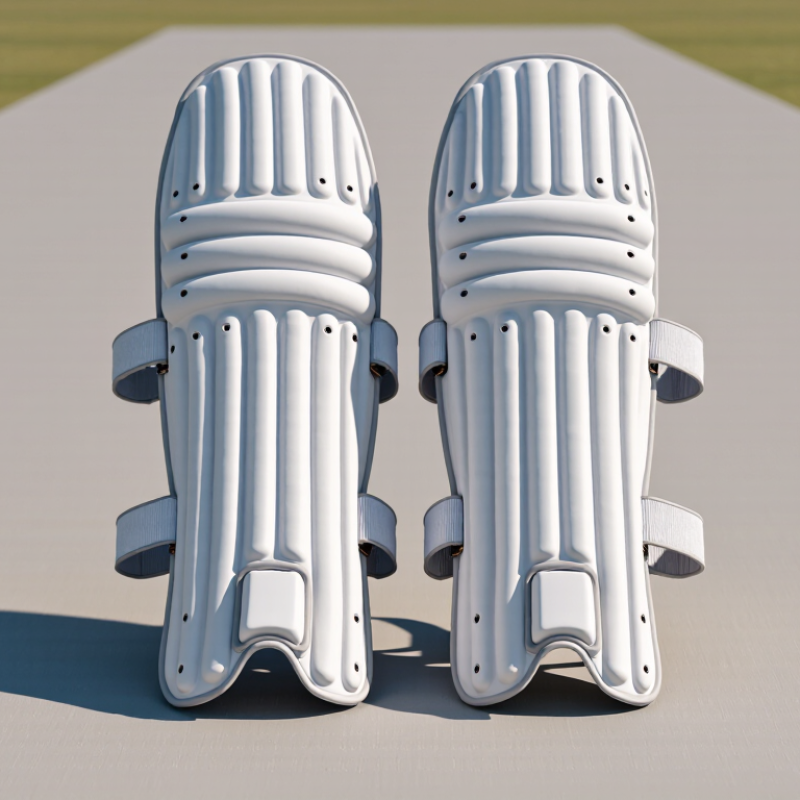
What Are Batting Pads Used For?
Batting pads are protective leg guards worn by cricket batters. They cover the shins, knees, and ankles during batting. Their main purpose is to reduce injury from a fast cricket ball. A hard ball can strike with surprising force. Pads spread that impact across a wider area.
Most batting pads use layered foam, reinforced sections, straps, and a foot protector called an instep. The knee area usually has extra shaping for better coverage. Some designs feel light and flexible, while others offer thicker protection. They are not designed to make a batter careless. The ball can still reach exposed areas, especially above the pad or beside the knee.
A proper fit matters as much as the padding itself. The pad should sit securely below the knee without restricting movement. Loose straps may cause twisting during a quick run. Tight straps can create pressure and discomfort. In practical fitting, I have noticed that players often choose protection by appearance first. That choice is understandable, but it can be a mistake. Comfort, coverage, weight, and movement should be checked together.
Tips: Wear batting pads with your usual cricket shoes and trousers. Bend your knees and take a few steps before playing. Check that the knee roll stays centered. Replace damaged straps or cracked protective sections promptly. Even well-fitted pads need regular inspection.
What Are Batting Pads Used For?
Batting pads protect players from fast balls striking the lower legs. Their main purpose is to reduce impact around the shins, knees, and ankles. A solid delivery can leave deep bruising without proper protection. The outer shell spreads force across a wider area. Internal padding then softens the remaining impact. Good pads should cover the kneecap without restricting the batting stance. They must also stay secure during quick movement between the wickets. Loose straps can shift at the worst moment. That detail is easy to underestimate.
In practical coaching sessions, players often focus on comfort first. Protection matters just as much. A well-fitted pad should feel firm, but never painfully tight. The knee section should sit directly over the knee when the player bends. Foot protection should cover the ankle and instep without catching on the ground. Players should check stitching, straps, and cracked materials before every session. Sweat and repeated impacts can weaken components over time. Batting pads cannot protect every exposed area. Hands, thighs, and the side of the body still need separate protection. I have seen players choose oversized pads for extra coverage, then struggle with balance. That choice deserves reconsideration. Proper fit usually offers better protection than excessive size. Coaches should also watch how the pads move during real shots, not only while standing still.
Batting pads are designed to shield the knees, shins, and lower legs from a fast cricket ball. The main parts include a knee roll, vertical cane sections, side wings, instep protection, straps, and lightweight foam. The knee roll absorbs direct impact, while the front panels spread force across a wider area.
Modern pads often combine high-density foam, molded plastic, synthetic leather, and moisture-resistant fabric. Materials matter because a hard shell alone can transfer force painfully.
The International Cricket Council’s Playing Conditions require batters to wear leg protection that meets accepted safety standards, while BS 6183 covers protective equipment for cricket players. Injury surveillance reports from professional cricket repeatedly identify lower-limb impacts as a recurring match hazard, although reported rates vary by competition and season.
Fit is equally important. A pad that moves two centimeters can expose the knee during a forward defensive shot. A pad that is too tight restricts footwork and creates pressure behind the knee.
Experienced players usually check the closure straps, ankle coverage, and knee alignment before buying. They also inspect cracked foam and loose stitching after repeated use. This step is easy to skip. It should not be.
No pad eliminates injury risk, and published data cannot predict every collision. Protection depends on correct sizing, stable positioning, and disciplined replacement. The uncomfortable truth is that lighter materials improve movement, but they may reduce coverage or durability. That trade-off deserves careful testing, not advertising language.
Batting pads protect a cricket player’s shins, knees, and lower legs from fast, hard deliveries. Their shape also helps players move confidently between the wickets. Different types of batting pads suit different players and playing styles. Traditional cane pads offer firm protection and a structured feel. They can feel heavier, especially during long innings. Lightweight foam pads reduce fatigue and allow quicker footwork. However, some players may prefer more impact coverage.
Hybrid batting pads combine foam, plastic, and reinforced sections. They often provide a useful balance between protection and mobility. Low-profile pads fit closely around the leg and may suit players who value natural movement. Junior batting pads are smaller, lighter, and shaped for developing players. They should never be selected only by age. Leg length and knee position matter more. Poor fitting can leave gaps.
Tips: Check that the knee roll sits directly over your knee. Fasten every strap without restricting circulation. Walk, crouch, and practise your stance before buying. I once used pads that felt secure but restricted my stride. That mistake was obvious after a long session. Inspect stitching, straps, and inner padding regularly. Replace damaged protection promptly, even when the outer surface still looks acceptable. A comfortable pad is not automatically a safe pad. Fit, coverage, and movement must work together.
What Are Batting Pads Used For?
Batting pads protect a cricketer’s shins, knees, and lower legs from a fast-moving ball. They spread impact across a wider surface, reducing the risk of painful bruises or serious injury. However, pads are not a substitute for sound technique or other protective equipment. A properly fitted helmet, gloves, and abdominal protection may also be necessary during practice and matches.
How to Choose and Wear Batting Pads
Choose pads according to your leg length, playing level, and movement needs. The top should cover the knee without restricting it. The front face should sit centrally over the shin, while the straps should feel secure, not painfully tight. Try walking, bending, and taking a batting stance before buying. If the pad shifts when you move, its fit is probably wrong. Measure carefully.
Wear the pad with the wider protective section facing forward. Fasten the lower strap below the calf and the upper strap above it. Keep the knee area aligned with your kneecap. Check the fit again after putting on your shoes, because the leg angle can change. I once tightened my straps too much and finished practice with numb skin. That was avoidable. Comfort matters, but loose straps create another problem. Inspect the straps, stitching, and inner padding regularly. Replace damaged protection rather than trusting its appearance. Try them before match day.
Batting pads are protective leg guards used in cricket to reduce the risk of impact injuries from the ball. They primarily cover the shin, knee, ankle, and instep while batting.
How to choose and wear them: Select pads that match your leg side and fit securely around the knee and shin. The knee roll should sit directly over the knee, the straps should feel firm without restricting movement, and the pad should not shift when walking or taking a batting stance.
Batting pads are protective leg guards for cricket batters. They cover the shins, knees, and ankles. Their foam layers spread ball impact across a wider area. They cannot cover every exposed spot.
They protect the lower legs, knees, shins, and ankles. The instep section covers the top of the foot. Protection above the pad or beside the knee remains limited.
Common materials include layered foam, molded plastic, synthetic leather, and moisture-resistant fabric. Reinforced sections support the knee and shin. A hard shell alone may transfer force painfully.
The pad should sit securely below the knee. Keep the knee roll centered during movement. Straps should hold the pad without creating pressure. Wear your usual shoes and trousers while fitting.
Bend both knees and take several steps. Check that the pad does not twist or slide. Try a forward defensive position. Small movement can expose the knee.
Loose straps may cause twisting during quick runs. Tight straps can restrict footwork and create pressure behind the knee. Neither condition is comfortable. Recheck the closure points.
Lighter pads may improve movement and comfort. Thicker pads can offer broader or stronger coverage. The trade-off is real. Test both before deciding by appearance.
Inspect straps, foam, stitching, and protective sections regularly. Replace cracked parts or damaged straps promptly. This step is easy to skip. It should not be.
No, they only reduce some impact risk. A fast ball can still reach uncovered areas. Correct sizing and stable positioning matter greatly. Protection is helpful, not perfect.
Batting Pads are essential protective gear designed to help cricket players stay safe while facing fast deliveries. Worn mainly on the legs, they shield vulnerable areas such as the shins, knees, and lower thighs from painful impacts. Their structured shape combines cushioning, strength, and flexibility, allowing players to move comfortably while maintaining reliable protection during batting, practice, or wicketkeeping.
The main parts of batting pads include reinforced sections, shock-absorbing padding, lightweight protective materials, straps, and secure fasteners. Different types are available for various playing positions, levels of protection, and comfort preferences. When choosing Batting Pads, players should consider proper sizing, coverage, weight, fit, and ventilation. They should be worn firmly but comfortably, with the straps adjusted to prevent slipping without restricting movement. Properly selected and correctly worn pads can improve confidence, mobility, and safety on the field.