Engineered for high durability, standardized bounce, and extreme weather resilience serving the growing Serbian sports ecosystem.
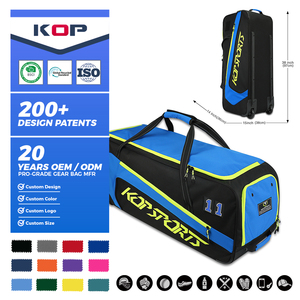
Large-capacity reinforced 1680D nylon gear bag designed for team transport, featuring heavy-duty tractor wheels and padded bat sleeves.
Get a Quote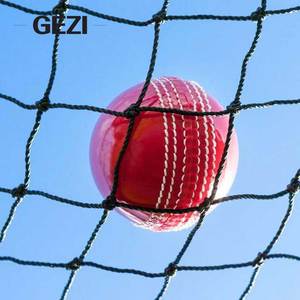
UV-stabilized high-density polyethylene knotted netting tailored for indoor winter pitches and academy tunnel practice setups in Serbia.
Get a Quote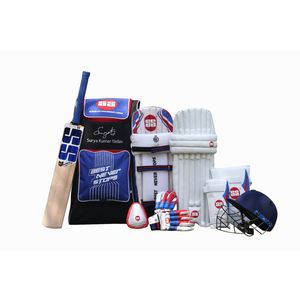
Complete youth development kit including padded leg guards, batting gloves, and hand-crafted Kashmir willow bat (Size 3).
Get a Quote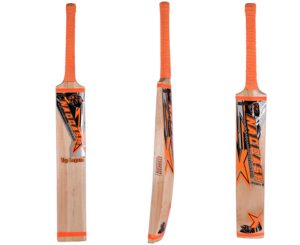
Premium Grade-1 Kashmir willow with multi-piece cane handle, pre-knocked toe guard, and heavy-duty clear anti-scuff protection sheet.
Get a Quote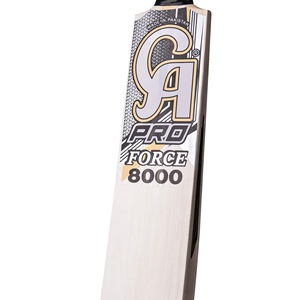
Engineered for high-impact tennis ball and tape ball tournaments, featuring ultra-thick edges and an enlarged sweet spot profile.
Get a Quote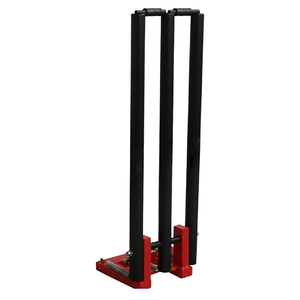
Tournament-compliant target stumps made of seasoned ash wood with high-visibility synthetic bails for all-surface durability.
Get a Quote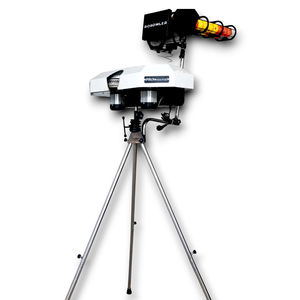
High-precision dual-wheel bowling simulator capable of speeds up to 140 km/h, compatible with synthetic and tape practice balls.
Get a Quote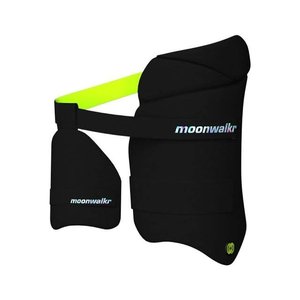
Ultra-lightweight composite dual thigh protector with 3D-moulded EVA shell and moisture-wicking towelling backing for professional safety.
Get a QuoteThe Republic of Serbia and the broader Western Balkans region represent an emerging frontier for cricket hardware distribution. Historically dominated by traditional sports such as football, basketball, and water polo, Serbia has experienced a dynamic shift in its recreational and competitive landscape over the past decade. Driven by an growing expatriate demographic from South Asia, university exchange programs in Belgrade and Novi Sad, and dedicated grassroots initiatives led by local sports entities, cricket is solidifying its footprint in Southeast Europe.
Sourcing cricket balls for the Serbian market requires a nuanced understanding of local playing infrastructure, environmental conditions, and regulatory compliance. Unlike traditional cricket-playing nations with dedicated natural grass ovals, match venues in Belgrade (such as the Lisčiji Jarak grounds), Niš, and Kragujevac often utilize multi-purpose sports surfaces, synthetic turf, or modified grass fields. Consequently, cricket balls supplied to Serbia must withstand unique friction profiles, variable pitch hardness, and distinct climatic shifts ranging from humid continental summers to damp early-spring conditions.
Serbia serves as a vital logistics transit nexus for Southeast Europe. Importers in Belgrade can effectively distribute equipment across neighboring Balkan states including Montenegro, Bosnia and Herzegovina, and North Macedonia.
Due to limited specialized turf grounds, cricket balls supplied to Serbia must feature high abrasion-resistant alum-tanned leather or reinforced PU compositions designed for synthetic mats and artificial turf.
Serbian trade regulations align closely with EU safety and non-toxic substance standards (REACH compliance), necessitating chemical-free leather dyeing, lead-free core elements, and transparent origin documentation.
For B2B buyers, institutional procurement officers, and sports equipment retailers in Serbia, partner selection must go beyond standard unit pricing. It demands direct manufacturer accountability, rigorous batch-to-batch consistency, customized private-labeling capabilities, and robust supply chain resilience. As a premier sports equipment manufacturing powerhouse based in Jalandhar, India, Classpo India bridges this gap by offering high-grade leather, synthetic, and practice cricket balls engineered specifically for export environments.
A superior cricket ball is an intricate fusion of classical craftsmanship and modern materials science. To deliver predictable bounce, persistent seam grip, and dimensional stability over 50 to 80 overs, every manufacturing stage must adhere to stringent physical tolerances.
The heart of a professional leather cricket ball consists of a center core crafted from premium natural cork wrapped with high-tensile 5-ply worsted wool yarn. At our Jalandhar manufacturing facilities, core creation involves high-pressure compression moulding:
The exterior shell dictates shape retention, moisture resistance, and aerodynamic behavior in flight. We categorize leather hides into distinct operational tiers based on market requirements:
The seam is the primary aerodynamic and tactical component of a cricket ball. Our match-grade 4-piece leather balls feature between 80 and 90 hand-stitched seams using wax-impregnated 6-cord linen thread. The elevated seam seam height (0.8mm - 1.0mm above shell) provides bowlers with optimal lateral movement (swing and seam) on both natural grass and synthetic pitches common in Serbia.
Comparative engineering breakdown for procurement teams selecting inventory for Serbian regional leagues, academies, and indoor sports centers.
| Ball Category | Core Construction | Outer Shell Material | Weight & Size Standard | Primary Application Scenario | Expected Lifespan |
|---|---|---|---|---|---|
| 4-Piece Premium Tournament | 4-Layered Natural Cork & Worsted Wool | Grade-A Alum-Tanned Steerhide | 156g - 163g (Mens Official) | Serbian National League, T20 Tournaments, Lisčiji Jarak Grounds | 60 - 80 Overs |
| 2-Piece Club & Academy | 2-Layer Molded Cork Core | Hand-Selected Vegetable Tanned Hide | 156g (Mens) / 142g (Womens/Youth) | Weekend Club Matches, Academy Net Practice, Inter-City Friendlies | 40 - 50 Overs |
| Indoor Heavy Synthetic PU | Rebound Rubber / Compressed Foam Core | High-Abrasion Polyurethane Shell | 140g - 150g (Standard) | Winter Indoor Gymnasiums in Belgrade, School Sports Halls | 6 - 12 Months Continuous Use |
| Tennis / Tape Ball Hybrid | Pressurized Hollow Rubber Core | Heavy Felt / Wrapped Polymer Tape | 125g - 135g (Light/Heavy Variant) | Grassroots Street Tournaments, Community Parks, Casual Play | High Abrasion Resilience |
To maximize product performance and customer satisfaction, Serbian buyers must align ball selection with specific regional venues and season dynamics:
During the primary summer cricket season in Serbia, matches are primarily held on artificial matting laid over hard-packed clay or grass fields. These high-friction surfaces generate intense heat and surface abrasion upon impact. Standard 2-piece soft-leather balls tend to scuff rapidly or lose seam prominence under these conditions. We recommend our Custom-Reinforced 4-Piece Alum-Tanned Balls, which feature an extra coat of polyurethane protective lacquer that seals the leather pores against moisture and harsh carpet friction.
Serbian winters bring freezing temperatures and heavy snow, forcing cricket training indoors into wooden basketball courts, sports halls (Hala Sportova), or covered synthetic turf bubbles. Standard leather balls damage indoor floor polishes and degrade rapidly when impacting solid masonry walls. Our specialized Indoor PU Soft-Touch Training Balls deliver identical flight dynamics and weight distribution to leather match balls without damaging hall flooring or posing extreme injury risks to novice players.
In regions such as Vojvodina and Central Serbia, academic sports programs are increasingly introducing cricket into physical education curriculums. For youth development programs (Under-13 and Under-15), equipment safety and ease of maintenance are paramount. Our Junior Kashmir Willow Sets and Rubber-Core Safety Balls allow schools to teach batting and bowling mechanics without requiring expensive protective armor.
Located in Jalandhar, Punjab—the worldwide hub for sports goods manufacturing—Classpo India brings over two decades of technical expertise directly to Serbian importers, brands, and sports organizations. By eliminating intermediary trading companies, we provide direct factory pricing, strict quality assurance, and complete customizable branding.
We provide custom foil stamping, laser engraving, and custom panel graphics. Serbian sports brands can request bespoke logos, gold leaf lettering, and localized barcoding on every ball.
Every shipment undergoes a strict 3-tier inspection standard (Incoming Raw Materials, In-Line Seam Stitching Checks, and Pre-Shipment Random Sampling under AQL 2.5 parameters).
Goods are individual polybagged, packed into moisture-resistant inner display boxes, and housed in heavy-duty 7-ply corrugated export cartons built for long-haul sea and air shipping routes.
Whether you require standard 156g red match leather balls, high-visibility pink or white T20 balls, or complete player kit bags and practice netting, Classpo India manages the complete supply pipeline from design proof to final freight clearance.
Importing sporting goods into Serbia (a non-EU country in the Western Balkans) requires precise customs documentation and logistical planning to ensure frictionless delivery to warehouses in Belgrade, Novi Sad, or Niš.
Cricket equipment entering Serbia falls under International Harmonized System (HS) Code HS 9506.69.90 (Other balls for sports and outdoor games). Importers must ensure the following documentation is supplied by the manufacturer:
Clear answers regarding minimum order quantities, custom branding, payment terms, and delivery logistics.
For custom OEM orders featuring private-label gold foil printing and bespoke packaging, our standard MOQ starts at 300 pieces per ball model/colorway. For stock standard designs or mixed container orders (combining balls, bats, nets, and kit bags), lower initial order thresholds can be arranged.
Our export match balls undergo an automated dipping process in waterproof silicone lacquer. This protective seal prevents water absorption during damp morning sessions in Serbia, ensuring the ball does not gain excessive weight or suffer seam swell when playing on wet synthetic mats.
Yes. We provide pre-production samples within 7 to 12 working days. Samples can be customized with your brand artwork for full written sign-off before commencing mass factory production.
We support standard international B2B trade payment terms, including Telegraphic Transfer (T/T - 30% advance deposit, 70% upon presentation of Bill of Lading) and Irrevocable Letters of Credit (L/C at sight) for larger container orders.
Leather cricket balls should be stored in a climate-controlled room maintaining 45% to 60% relative humidity and temperatures between 15°C and 22°C. Avoid direct exposure to radiators or freezing unheated warehouses, which can dry out leather oils and cause surface cracking.
Expand your product lineup across Serbia & Southeast Europe with direct factory-backed pricing, certified quality, and seamless export logistics.
Get a Quote