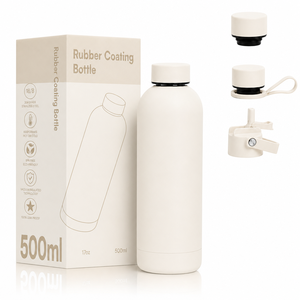
500ml 750ml Soft Touch Rubber Paint Double Walled Vacuum Insulated Thermal Flask
SUS 304 Stainless Steel • BPA Free
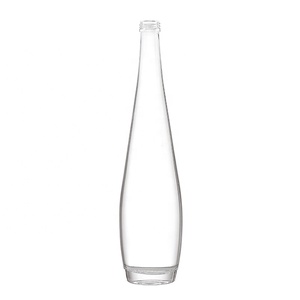
330ml 375ml 500ml 750ml 1L Custom Premium Glass Water & Juice Bottle
High Borosilicate Glass • Eco-Friendly
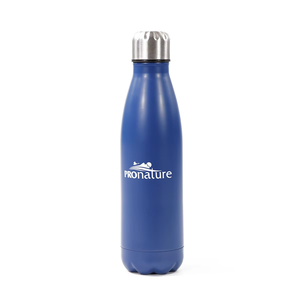
Promotional Eco-Friendly Durable Custom Logo Stainless Steel Water Cup
Single / Double Wall • Custom Laser Logo
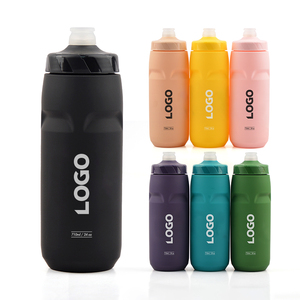
710ml Factory Direct Cycling Plastic Squeeze Water Bottle for Gym & Fitness
Food-Grade PP/PE • Easy Clean Valve
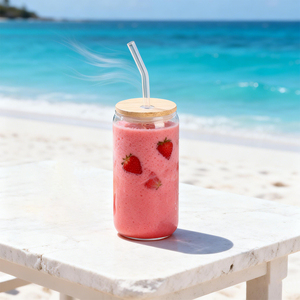
Clear Can Shaped Glass Drinking Bottle with Natural Bamboo Lid & Straw
Thermal Shock Resistant • Aesthetic Design
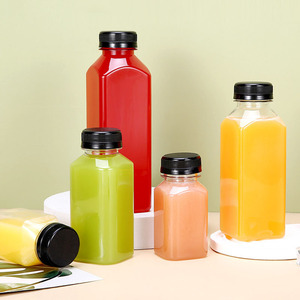
120ml to 500ml Wholesale Square PET Clear Plastic Beverage & Juice Bottles
100% Recyclable PET • Tamper-Evident Cap
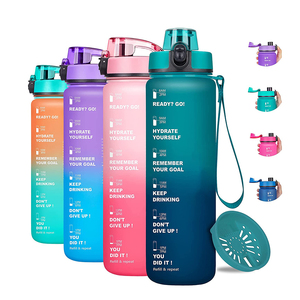
32oz BPA Free Tritan Motivational Fitness Water Bottle with Time Markers
Eastman Tritan™ • Leakproof Flip Top
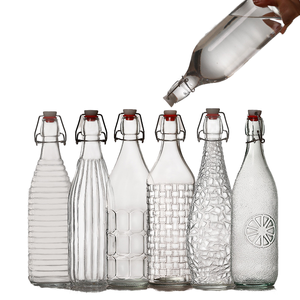
250ml Vintage Flint Glass Beverage & Mineral Water Bottle with Screen Printing
Super Flint Glass • Easy Open Closure
25,000,000+
Annual Unit Output
< 0.15%
Factory Defect Rate
AQL 1.5 / 2.5
Inspection Standard
65+
Global Export Markets
Section 1: The Global Drinkware Manufacturing Landscape & Supply Chain Benchmark
The global reusable water bottle market has undergone a dramatic structural transformation. Accelerated by worldwide bans on single-use plastics, stringent carbon neutral mandates, and shifting consumer preferences toward wellness and sustainability, global procurement teams face an unprecedented challenge: securing reliable, compliance-certified, high-efficiency manufacturing partners capable of delivering mass volume without compromising quality standard metrics.
As a leading tier-1 water bottles factory and contract supplier, our manufacturing ecosystem combines heavy metallurgical engineering, precision injection molding, and state-of-the-art surface finishing. Sourcing reusable drinkware is no longer merely a purchasing decision based on unit cost—it is an intricate engineering audit encompassing raw material purity, thermal efficiency indices, food-contact safety compliance, and automated quality control frameworks.
"Information Gain Insight: True procurement cost optimization requires analyzing the Total Cost of Quality (TCQ). Defective vacuum seals or chemical leaching risks in substandard stainless steel can lead to brand damage that far exceeds initial margin savings."
1.1 Metallurgical & Material Standards Matrix
Understanding material selection is critical when evaluating a custom water bottle supplier. Primary materials used across modern hydration hardware include 18/8 (SUS 304) and 18/10 (SUS 316) Stainless Steel, High-Borosilicate Glass, Eastman Tritan™ Copolyester, and Food-Grade Polypropylene (PP).
| Material Type |
Key Technical Properties |
Food Safety Certification |
Thermal / Durability Benchmark |
Primary Commercial Use |
| SUS 304 (18/8) Stainless Steel |
18% Chromium, 8% Nickel; superior corrosion resistance & structural ductility. |
FDA 21 CFR, LFGB, EU No 10/2011 |
Resists up to 800°C; Vacuum rated up to 24h cold / 12h hot. |
Premium Vacuum Flasks, Sports Thermos, Insulated Tumblers |
| SUS 316 (18/10) Stainless Steel |
Contains 2-3% Molybdenum; exceptional acid & chloride resistance. |
FDA, LFGB, Pharmacopeia Class VI |
Ultra-high chemical stability; ideal for acidic juices, coffee, carbonated drinks. |
Medical-grade Drinkware, High-End Specialty Flasks |
| Eastman Tritan™ Copolyester |
100% BPA/BPS free; high impact resistance; crystal-clear transparency. |
FDA Compliant, NSF/ANSI Standard 51 |
Shatterproof; temperature resistance from -10°C to 96°C. |
Motivational Fitness Bottles, Outdoor Cycling Containers |
| High Borosilicate Glass |
Low coefficient of thermal expansion (3.3 × 10⁻⁶/K); non-reactive surface. |
FDA, LFGB Approved Chemical Inertness |
Thermal shock resistance ΔT=140°C; 100% odor & taste neutral. |
Can-shaped Coffee Cups, Vintage Beverage Bottles, Luxury Infusers |
1.2 Double-Wall Vacuum Insulation Mechanics & Thermal Testing Protocols
The core value proposition of premium thermal flasks lies in their thermal insulation performance. Standard double-walled stainless steel bottles utilize a vacuum layer of less than 10⁻³ Pa. During manufacturing, two concentric shells are welded together using automated TIG (Tungsten Inert Gas) lasers. A getter element (typically zirconium-based alloy) is inserted into the vacuum chamber to absorb trace residual gases after sealing.
Our automated testing line subject 100% of manufactured vacuum flasks to a 3-stage temperature detection array. Flasks are filled with high-temperature pressurized steam, and infrared thermal imaging sensors inspect the outer wall temperature within 30 seconds. Any heat transference indicates a compromised vacuum seal, automatically ejecting the unit from the line. This guarantees that our temperature retention specs (keeping liquids cold below 8°C for 24 hours or hot above 65°C for 12 hours) are strictly enforced across multi-thousand unit shipments.
Section 2: Sourcing Intent Mining & Strategic Sourcing Decisions
B2B buyers—ranging from corporate promotional merchandise procurement managers to private-label ecommerce brands—face complex decisions when selecting a manufacturing partner. By analyzing intent signals across global trade channels, we have categorized the five fundamental decision drivers in water bottle manufacturing sourcing.
Custom Mold & Tooling Agility
Rapid 3D CAD modeling, SLA prototyping within 72 hours, and high-precision steel tooling designed for long-run custom bottle silhouettes.
Compliance & Chemical Audits
Full compliance documentation (BPA-free, Phthalate-free, Heavy Metal Lead-free) verified by independent laboratories like SGS, TUV, and Intertek.
Coating & Surface Technology
Sub-micron powder coating, tactile rubber paint, electro-polished interiors, heat-transfer vinyl, UV 3D digital printing, and laser etching.
AQL 1.5 / 2.5 Quality Assurance
Documented Quality Management System (QMS) with ISO 9001:2015 certification. Strict statistical sampling covering leak-proof, drop-impact, and coat-adhesion tests.
Global Logistics & Freight Integration
Flexible shipping arrangements including FOB, CIF, DDP to Amazon FBA or regional fulfillment hubs with custom barcoding and retail master carton drop-testing.
Section 3: Product Trends & Future Sourcing Directions (2025–2030 Roadmap)
The global drinkware industry is entering a epoch of rapid material evolution and digital integration. Forward-thinking brand managers and procurement executives must align their product development strategies with emerging macroeconomic and technological shifts.
3.1 Sustainable & Recycled Materials Integration (PCR 304 Stainless Steel)
Post-Consumer Recycled (PCR) stainless steel is rapidly transitioning from a niche marketing angle to a mandatory retail specification in North America and Western Europe. Utilizing recycled 304 stainless steel reduces energy consumption during smelting by up to 75% and slashes the carbon footprint per bottle by over 60%. Factories capable of offering certified GRS (Global Recycled Standard) supply chains will hold a distinct competitive edge.
3.2 Advanced Surface Treatments & Ceramic Coatings
While traditional powder coating remains a staple for tactile grip and scratch resistance, internal ceramic lining is emerging as the premier technology for high-end vacuum flasks. Standard stainless steel can occasionally impart a subtle metallic taste to acidic beverages or specialty coffees. Thin-film ceramic coatings chemically bonded to the inner SUS 304 wall eliminate metal ion migration while maintaining 100% thermal retention performance.
3.3 Smart Hydration & Integrated Ergonomics
The convergence of personal health tracking and hardware design has spawned the "Smart Bottle" category. Incorporating UV-C LED sterilization modules into vacuum caps allows consumers to purify drinking water on-the-go with a single touch. Furthermore, ergonomic innovations—such as dual-opening wide/narrow spouts, magnetic cap retainers, and integrated silicone boot bumpers—are rapidly standardizing across outdoor, fitness, and office product lines.
Section 4: Enterprise Capabilities & Manufacturing Execution Protocol
As a verified tier-1 factory partner, our production plant operates across 35,000 square meters of specialized manufacturing facilities equipped with automated hydroforming presses, robotic laser welding lines, and cleanroom assembly suites.
4.1 End-to-End Quality Control Architecture
Our quality assurance protocol follows a strict 3-tier inspection standard to ensure zero defect delivery across international sea and air freight shipments:
-
Stage 1 (IQC):
Incoming Quality Control checks raw steel coils for elemental alloy purity via X-ray fluorescence (XRF) spectrometry. Plastic resins undergo melt flow index (MFI) and density testing before molding.
-
Stage 2 (IPQC):
In-Process Quality Control performs hourly dimensional checks, 5-bar hydrostatic pressure leak tests, vacuum insulation retention benchmarks, and cross-hatch adhesion testing on spray-painted surfaces.
-
Stage 3 (FQC & OQC):
Final Quality Control executes AQL 1.5 Major / 2.5 Minor visual inspections, barcode readability verification, and ISTA-1A carton drop tests before sealing containers.
"Factory Guarantee: Pre-production golden samples are produced and signed off before full-scale manufacturing commences. Every batch includes a comprehensive Certificate of Analysis (CoA) and inspection audit log."
Section 5: Frequently Asked Sourcing Questions (FAQ Intent Mining)
Below are detailed answers to the most critical technical, financial, and logistical questions posed by enterprise buyers sourcing water bottles from OEM/ODM factories.
Q:
What are the minimum order quantities (MOQs) for custom branded water bottles?
Our standard factory MOQ starts at 1,000 units per colorway for existing stock shapes with custom silkscreen, laser etching, or powder coating. For fully custom engineered molds, proprietary lids, or specialized pantone rubberized finishes, standard MOQs range from 3,000 to 5,000 units depending on material complexity.
Q:
How do you guarantee that plastic and stainless steel materials are BPA-free and non-toxic?
We source raw resins exclusively from certified chemical producers (such as Eastman Tritan™) and food-grade 304/316 stainless steel from audited steel mills. Every production lot is backed by batch-specific test reports from SGS or TÜV Rheinland confirming compliance with US FDA 21 CFR, EU No 10/2011, and German LFGB regulations.
Q:
What surface customization techniques are available for logo branding?
We provide a complete suite of decoration methods: Fiber Laser Engraving (precise metallic reveal), High-Speed Silk Screen Printing (cost-effective multi-color logos), Rotary 3D Digital UV Printing (full-wrap gradient artwork), Water Transfer / Hydro-dipping (seamless pattern transfer), and Heat Transfer Printing for complex graphics.
Q:
What is the lead time for sampling and mass production?
Rapid prototyping and digital proofing take 24–48 hours. Physical pre-production samples with custom logo print take 7 to 10 working days. Mass production lead times are typically 25 to 35 days post-sample approval, depending on order volume and packaging custom specifications.
Q:
Can your factory handle custom retail packaging and FBA prep?
Yes. We offer turnkey retail packaging engineering including FSC-certified corrugated color boxes, cylinder tube packaging, eco-friendly kraft tuck boxes, polybags, hangtags, inner dividers, and automated UPC/FNSKU barcoding for direct delivery to Amazon FBA warehouses or global distribution centers.
Q:
How does double-wall vacuum insulation testing take place on the production line?
Every vacuum flask undergoes double thermal testing: first via infrared automated thermal sensors immediately following the vacuum degassing furnace, and second after surface painting to verify 100% heat retention before final assembly and packaging.
Partner with a Leading Water Bottle Manufacturer Today
Whether you require OEM custom tooling, white-label wholesale supply, or rapid promotional drinkware fulfillment, our engineering team is ready to review your tech pack and deliver competitive factory-direct pricing.